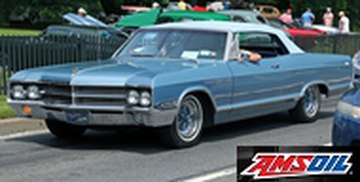
Maintenance and Lubrication Guidance for the 1983 Buick RIVIERA 5.0L
Owning a classic vehicle like the 1983 Buick RIVIERA requires a shift in mindset from modern, computerized maintenance to a more observant, condition-based approach. Because vehicles of this era rely on mechanical precision and specific fluid properties, staying informed about the current state of your engine's lubrication system is vital for long-term preservation.
Using Service History to Guide Maintenance
When managing the upkeep of a 5.0L engine, the most valuable tool at your disposal is often a well-maintained set of service records. If you have recently acquired this vehicle, establishing a maintenance baseline is a logical first step. Without a clear history of previous oil changes, filter replacements, or fluid inspections, it is difficult to determine if the engine has been subject to consistent care or periods of neglect.
Reviewing available documentation allows you to identify patterns. For example, knowing how frequently the oil has been changed in the past can help you decide whether to stick to a strict schedule or increase the frequency of inspections. If records are incomplete, treat the vehicle as if it requires an immediate baseline service to ensure all fluids and filters meet current operational needs. This proactive approach helps transition from reactive repairs to a structured preventive maintenance strategy.
Monitoring Fluid Condition and Potential Leaks
Regular visual inspections are essential for identifying issues before they escalate into mechanical complications. For the 1983 Buick RIVIERA, this involves more than just checking levels; it requires an assessment of the fluid's overall condition. When inspecting the engine oil, look for changes in color, clarity, or consistency. Significant darkening or a gritty texture can be indicators that the lubricant has reached the end of its effective service life.
In addition to monitoring the oil itself, pay close attention to the surrounding areas for signs of seepage. Inspecting gaskets and seals for evidence of age-related leakage is a standard part of routine care. While a small amount of seepage may be expected in an older engine, any active dripping or heavy accumulation of residue warrants closer investigation. Similarly, if you notice unusual lubricant consumption—where the oil level drops more rapidly than anticipated between service intervals—it should be investigated to determine the cause.
If equipped, other components such as hoses and belts should also be part of your visual routine. Checking for cracks in rubber components or signs of fraying on drive belts can prevent unexpected downtime. These observations provide a real-world snapshot of the engine's health that no computer diagnostic tool can fully replicate.
Prioritizing Long-Term Engine Care
As a vehicle ages, maintenance priorities often shift from simple part replacement to comprehensive system monitoring. Rather than following a generic checklist based solely on the age of the car, focus your efforts on the actual condition of the mechanical components. This means distinguishing between necessary preventive maintenance and unnecessary parts replacement.
One effective way to prioritize is to address active warning signs first. If you observe any changes in how the engine sounds or smells during operation, these should take precedence over routine cosmetic or secondary maintenance tasks. Keeping a detailed log of these observations—noting when a leak was first spotted or when a specific fluid was last changed—creates a roadmap for future repairs. This organized method ensures that your maintenance budget and time are directed toward the areas that most impact the longevity and reliability of the 5.0L engine.
Practical Advice for Buying Engine Oil for your 1983 Buick RIVIERA 5.0L
When it is time to replenish your engine's lubrication, accuracy in selection is paramount. Because different engines require specific chemical properties and thicknesses to operate correctly, you must avoid making assumptions based on the vehicle's age or general automotive trends. Modern oil formulations vary significantly from those available when this vehicle was originally manufactured.
To ensure proper fitment and protection, match your engine oil to the application-specific viscosity information and requirements shown above on this page. Before finalizing a purchase, carefully check the product labeling to confirm it meets the necessary standards for your specific application. Depending on your engine's current condition, you may consider different formulations, such as conventional, synthetic blends, or high-mileage oils which may contain additives intended for use in aging engines. Always prioritize the specific data provided in the application information to ensure your 1983 Buick RIVIERA receives the correct lubrication.